

PatentOS · Operating system for intellectual property

The AI workspace for patent evaluation and portfolio review

Bring hiddenpatent value to light.Follow the evidence.Decide the next step.

Connect the patents you hold with product evidence. Review current and future potential, then consider portfolio decisions and licensing strategy. AI supports the research; your team and counsel make the final call.

01 / Start with what you hold

Which patents should you retain?Where might the technology be used?Which opportunities deserve a closer look?Bring the evidence for those decisionsinto one workspace.

01

Read the portfolio

Organize patent numbers, claims, remaining terms, and maintenance conditions. Start with the questions your own portfolio raises.

02

Check the product evidence

Map public product sources to individual claim elements. Keep supported matches separate from gaps that still need investigation.

03

Compare the conditions for use

Review present and future use potential, earning potential, and evidence requirements to inform retention, licensing, or sale.

Patent review / TokyoIllustrative review · specialist input as needed
INFRASTRUCTUREPortfolio reviews. Claim charts. Revenue scenarios. / PatentOS / Patent publications · public product sources · materials agreed for the engagementINFRASTRUCTUREOUTPUTSPortfolio reviews. Claim charts. Revenue scenarios.Evidence and open questions for specialist review.¥THE OS LAYERPatentOSAgents · evidence registry · valuation engine · review routing · audit log.SOURCESPatent publications · public product sources · materials agreed for the engagementEVERY IP TRANSACTION FLOWS THROUGH ONE LAYER.

02 / Workflow

From evaluation
to the next decision.

Portfolio review, evaluation, sources, claim charts, and revenue scenarios. Keep the evidence and open questions connected as work passes to the next reviewer.

  1. 01

    Portfolio review

    See the evaluation and proposed retention decisions together for each patent.

  2. 02

    Evaluation

    Review present and future third-party use and earning potential. Leave missing information unassessed.

  3. 03

    Source review

    Read the source text and mark relevant passages. Separate what the evidence supports from what needs another check.

  4. 04

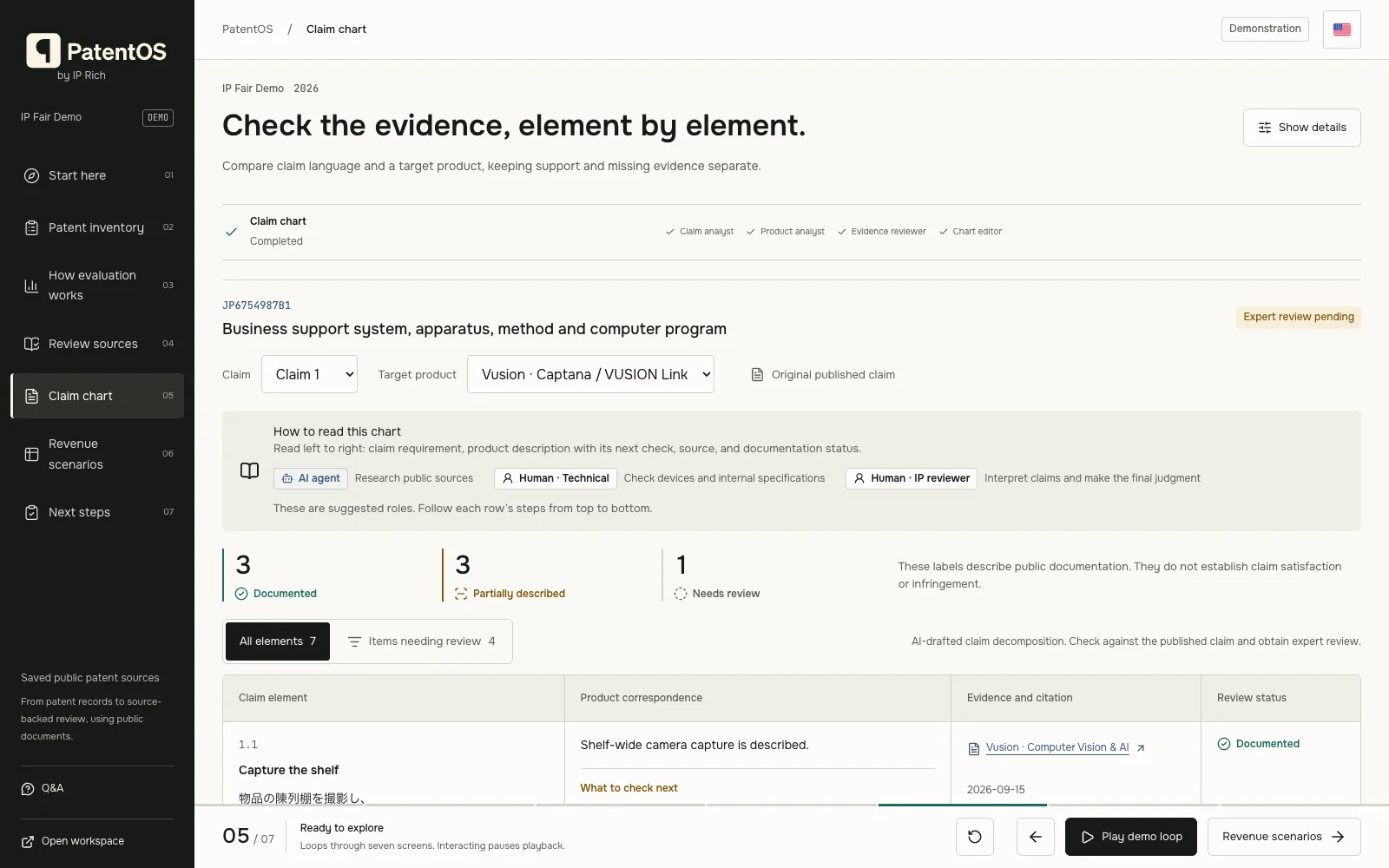
    Claim chart

    Compare claim elements with product evidence and identify the next checks for AI, technical, and IP reviewers.

  5. 05

    Revenue scenarios

    Compare assumptions for sales, royalty rates, and risk. Scenarios are not a guarantee of income or a patent sale price.

Reading the evaluation

Four perspectives on the next decision.

Use the evaluation to consider portfolio decisions and licensing strategy. Read the evidence and assumptions alongside the score.

  1. 01

    Current third-party use potential

    Check claim scope against products and services in use today.

  2. 02

    Current earning potential

    Review sales exposure, royalty assumptions, costs, and remaining term.

  3. 03

    Future third-party use potential

    Consider possible uses, adoption timing, and the supporting evidence.

  4. 04

    Future earning potential

    Compare when income might arise and under which conditions.

Who makes the next check?

AI agents
Research public sources and organize supported matches and evidence gaps.
Human technical reviewers
Check products and internal specifications that public sources cannot establish.
Human IP reviewers
Interpret claims and work with counsel on the final decision and next action.

Mark the evidence. Explore the assumptions.

Try source highlights and notes, responsibility labels, and revenue scenarios with adjustable sales, royalty, and risk assumptions.

Try the public demo

Evaluation features are under development and validation. The public demo uses prepared examples, including example agent answers in the source viewer. Revenue scenarios use assumptions and do not establish a patent price or guarantee future income.

03 / Follow the evidence

From excerpt to source.
Read it against the claim. Keep the next check in view.

Claim chart in the PatentOS public demo, using a prepared example.

Element-by-element claim breakdown

Source text inside the workspace

Highlights, notes, and review checks

Supported matches kept separate from gaps

Named AI, technical, and IP responsibilities

Revenue scenarios with adjustable assumptions

PORTFOLIO HEATMAPA schematic view of research signals, not measured portfolio results.PORTFOLIO HEATMAPIllustrative portfolio.A schematic view of research signals, not measured portfolio results.COREPWRRFUIPKGOPTSWMLTrace the sources,check the gaps,decide the next step.SIGNALidletracewatchstrongreview

04 / The agents

Specialist agents.
One operating loop.

Specialist AI roles support research, claim breakdown, and evidence checks. Technical reviewers check product facts; IP reviewers and counsel interpret the claims and make the final decisions.

AGENT LOOP · REVIEW ROUTINGDiscover → Draft → Verify → ReviewAGENT LOOP · REVIEW ROUTINGCOREEvidenceregistry01DiscoverRead every patent in scope02DraftClaim charts.Revenue scenarios.03VerifyCross-check sources, cite back04ReviewTechnical + IPreviewersdecideAI RESEARCHES. PEOPLE CHECK AND DECIDE.
  1. 001DiscoverySurfaces patents and prior art across JPO, USPTO, EPO. Speaks FI/F-term and CPC.POC
  2. 002Claim DecompositionSplits any claim into independent elements. Means-plus-function, JP-style multi-dependency.POC
  3. 003Evidence HunterScans product pages, spec sheets, SEC filings, technical docs. Cites every source.POC
  4. 004Cross-VerifierChecks sources and reasoning for gaps or contradictions. Agreement alone is not proof; unresolved findings need review.POC
  5. 005Revenue EstimatorSizes infringing markets from public disclosures, financial filings, and industry data.POC
  6. 006HeatmapA/B/C ranking across patents × companies. Enforcement priorities at a glance.POC
  7. 007TranslationJP and EN at patent-grade fidelity. Claim structure and statutory nuance preserved.POC
  8. 008ValuationOrganizes current and future use potential and earning potential, with assumptions and missing evidence visible.POC
  9. 009ValidityPrior art search across JP, US, and EP databases. Builds invalidity studies on demand.POC
  10. 010FTOFinds blocking patents before product launch. Suggests design-arounds.Next
  11. 011Monetization StrategySimulates every path: license, cross-license, sale, litigation, settlement, hold. Recommends the best move by risk-adjusted value.Next
  12. 012Expert ReviewHigh-stakes findings can route to customer counsel, PatentOS patent attorneys, or both. AI proposes. People decide.Human

↳ The public demo uses prepared examples. Evaluation features are under development and validation. Agent answers in the source viewer are demonstration examples. Pilot scope is agreed individually; NEXT means planned functionality.

Proprietary technology

PatentOS workflow

An engine no one else has.

A workflow for tracing patent evidence, recording assessment assumptions, and keeping human decisions accessible.

ProprietaryBuilt and owned by us
EvidenceSources stay accessible
ReviewHuman decisions are recorded

05 / Precision

Accuracy is not a score. It is a workflow. Specialised agents. Independent verification. Counsel-ready escalation.
A / B / C CONFIDENCE RANKINGReview candidate / Further checks / WatchlistA / B / C CONFIDENCE RANKINGAHIGH CONFIDENCEReview candidateSupporting evidence found. Human review required.BMID CONFIDENCEFurther checksPromising signal. Needs human review.CLOW CONFIDENCEWatchlistEvidence remains limited.ILLUSTRATIVE TRIAGE. A RANK IS NOT A LEGAL CONCLUSION.
Evidence for the decisionReview claims and product evidence element by element
Start with the portfolioKeep evaluation and retention decisions connected
Make responsibility clearSeparate the checks for AI, technical, and IP reviewers

06 / Where to start

The next step
for your patents.

Explore the software, review the work as a specialist, or discuss the sale and use of a patent. Each starts with its own scope.

Companies & universities

Review a patent portfolio

Discuss the scope of a pilot for portfolio review, retention decisions, or licensing strategy.

Discuss a scoped pilot

IP & technical specialists

Review the evidence

Review claim charts, sources, and open questions. Agree responsibilities and information handling for each engagement.

Discuss review arrangements

Patent sale & licensing

Patent Capital

IP Rich’s acquisition and monetization business, evaluating unused corporate and university patents for purchase and licensing in Japan and abroad.

Explore Patent Capital

07 / Designed for review

4

Commercial perspectives

5

Connected workflow steps

3

AI, technical, and IP roles

2

Japanese and English

Evidence and decisions, kept together. PatentOS connects evaluation assumptions, open questions, and reviewer decisions. We also welcome partnership and investment discussions. investors@patentos.app →

08 / Team & partners

Patent attorneys.
AI engineering.
Built in partnership.

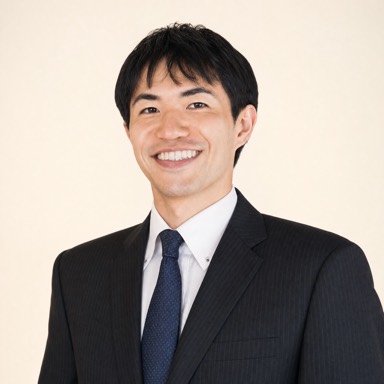
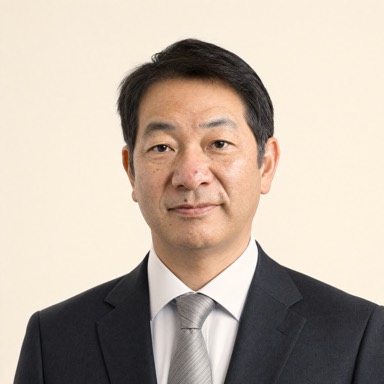
Kusano Daigo

Kusano Daigo

Founder & CEO, IP Rich

Founder and CEO. Physics, Sophia University. Former Fuji Xerox patent operations. Founded Patent Investment Inc. in 2016, grew it into IP Rich. Inventor on granted patents for SOS submersible drone systems. Produced Japan's first IP-themed feature film. Built the manual playbook PatentOS now automates.

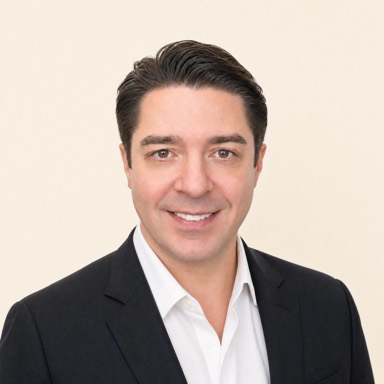
Günther Brunner

Günther Brunner

G Productions Japan LLCProduct & Technology Partner

Provides product design and technology development for PatentOS through G Productions Japan LLC as a development partner. Fifteen years across games, media, AI, and SaaS as engineer, designer, and business owner. Built OpenSTF, adopted by Netflix, Alibaba, and Google. AI evangelist and speaker. MEXT scholar.

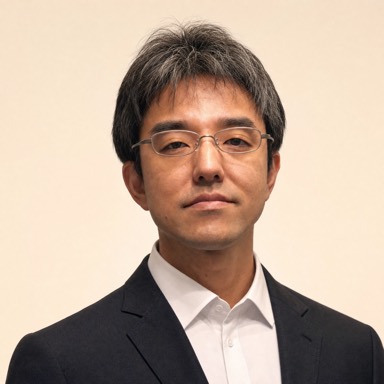
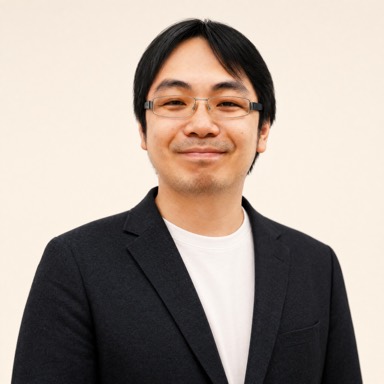
Iwase Kanji

Iwase Kanji

EVP & Patent Attorney

EVP and Patent Attorney. Engineering, University of Tokyo. Sixteen years as systems engineer before bar admission in 2016. 300+ patent specifications across software, electrical, mechanical, and telecom. Former IP Group Leader at Yayoi Inc. Founded IP Rich International Patent Office in 2024.

Aoi Takanori

Aoi Takanori

Patent Attorney

Patent Attorney. National Defense Academy and Tokyo Institute of Technology (Ph.D. Engineering). R&D at Japan's Defense Equipment Agency. Cross-border patent practice across JP, US, and China offices. Strategy consulting at Booz Allen Hamilton (now Strategy&). Independent IP practice since 2013.

Kusakari Shunichi

Kusakari Shunichi

Partner Patent Attorney

Partner Patent Attorney. Legal Studies, Kanagawa University Graduate School. Civil service background before patent attorney registration. Operates an independent patent firm. Specializes in trademark law, bridging academic theory and front-line practice. Anchors the outside review attorney network.

¥105.4MIP Rich capitalisation
300+Patent specifications drafted
5y+IP educational publishing
JP · US · EPPatent law fluency on staff

09 / Ready when you are

Choose the right door.
We'll route the rest.

Pick the model that fits. We'll route the conversation to the right desk.

  • Corporate IPPOC on your own patentsNon-binding workflow on a portfolio sample, with optional attorney review on the findings that matter.
  • Patent firmAugment your teamSupport for shared research and evidence review. Review responsibilities, information handling, and contract terms are agreed individually.
  • InvestorInvestor briefMarket sizing, agent architecture deep-dive, financials, references.

Tell us how to route this.